
V BELTS
Industrial Belts
Ammeraal Belts

Megadyne

Industrial Belt: Types, Uses & Selection Guide
An industrial belt is a flexible, looped component that transfers power or moves materials between machine parts or across production lines. The main types are V-belts, timing (synchronous) belts, conveyor belts, and flat belts. Each is made from rubber, polyurethane, neoprene, or fabric-reinforced composites. The right choice depends on load capacity, speed ratio, operating temperature, pulley design, and environment (oil, dust, moisture, or heat). Industrial belts are used in manufacturing, food processing, textiles, packaging, mining, logistics, and agriculture.
V Belts & Power Transmission Belts
V belts have a trapezoidal cross-section that wedges into pulley grooves, giving strong grip and efficient torque transfer. Common profiles include classical (A, B, C, D), narrow (SPZ, SPA, SPB, SPC), and banded or wedge belts. They suit motors, compressors, pumps, fans, and general machinery where shock absorption and cost-efficiency matter.
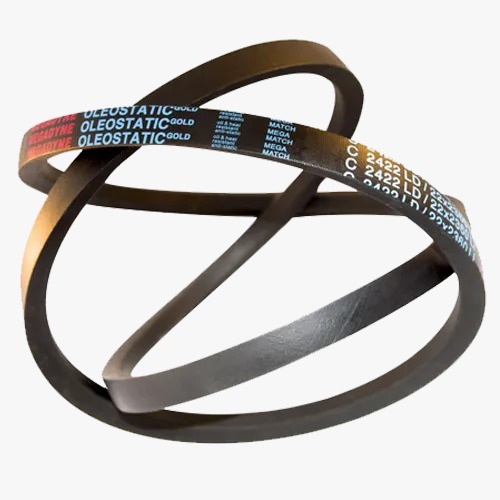
SPZ V-Belt
Heavy duty power transmission V-belt
SPA / B V-Belt
High torque multi rib V-belt
Classical V-Belt
Standard V-belt drive solution
Timing Belts & Synchronous Drives
Timing belts have precision-molded teeth that mesh with toothed pulleys, ensuring zero slip and exact shaft synchronization. They are used in CNC machines, packaging equipment, robotics, and printing machinery. Common profiles include HTD, XL, L, H, and AT, in polyurethane or neoprene with steel or fiberglass tension cords.
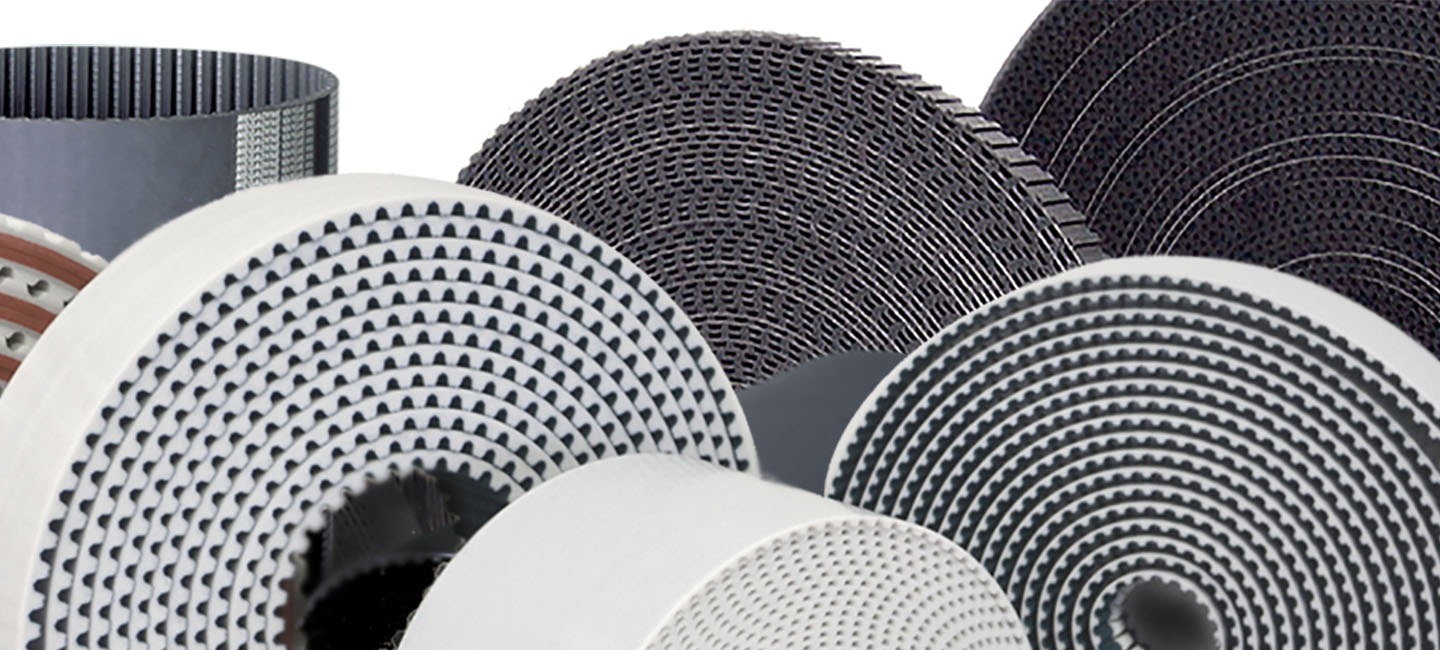
HTD Timing Belt
High torque timing belt
GT2 Timing Belt
Precision synchronous belt
Polyurethane Timing Belt
Chemical & wear resistant
Conveyor Belts & Material Handling
Conveyor belts carry bulk materials, packages, or components across production, packaging, and distribution lines. Types include rubber, PVC, PU, modular plastic, and steel-cord belts, selected by load, incline, and hygiene needs. They serve mining, food processing, cement, logistics, and warehousing.
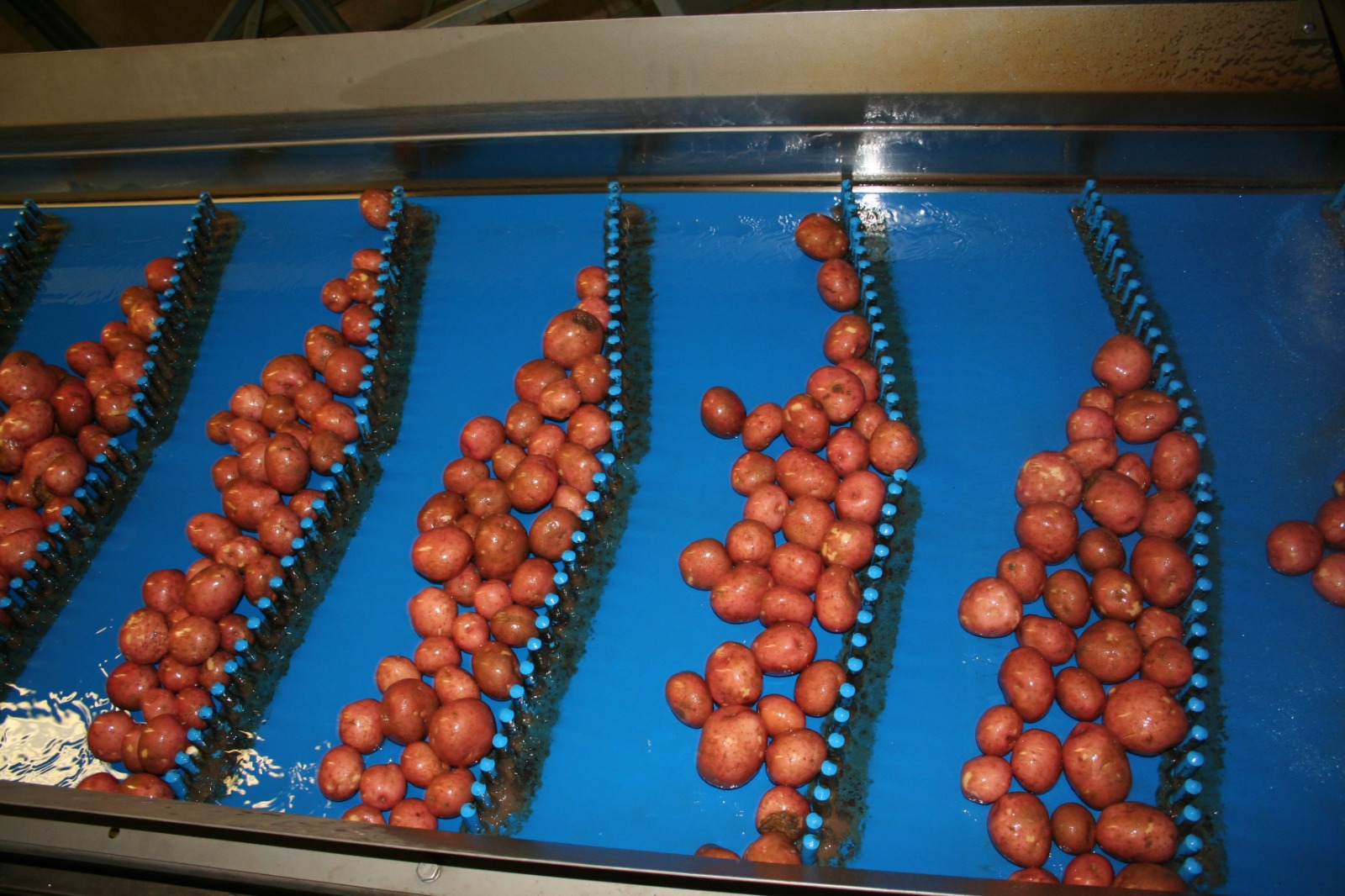
Rubber Conveyor Belt
Heavy duty industrial conveyor
PU / PVC Conveyor Belt
Food processing compatible
Modular Belt
Modular plastic conveyor belt
Flat Belts & Transmission Systems
Flat belts have a smooth, uniform surface and run on flat or crowned pulleys, offering quiet, high-speed, low-vibration power transmission over long center distances. Made from leather, fabric-reinforced rubber, or synthetic multilayer materials, they suit textile machinery, grinders, threshers, and line-shaft drives.
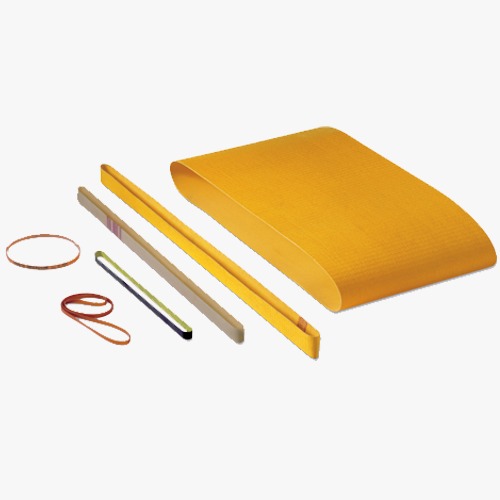
Flat Drive Belt
High length flat belt
Round Drive Belt
Light duty round belt
Double V Belt
Enhanced grip drive belt
Industrial Belt Comparison
| Belt Type | Slip | Best For | Key Strength |
|---|---|---|---|
| V-Belt | Minor | General power transmission | Cost-effective, shock absorbing |
| Timing Belt | None | Precision synchronization | Accurate, low maintenance |
| Conveyor Belt | Varies | Material movement | Handles bulk and packaged loads |
| Flat Belt | Low | High-speed, long-distance drives | Smooth, quiet operation |
How to Choose the Right Industrial Belt
- Application: power transmission or material movement
- Load and speed: torque, RPM, and speed ratio
- Environment: heat, oil, chemicals, moisture, dust, or food-grade needs
- Pulley compatibility: groove profile, pitch, and diameter
- Service life: abrasion resistance, tension stability, and maintenance schedule
Frequently Asked Questions
What is an industrial belt used for?
An industrial belt transmits power between rotating shafts or transports materials along a production line. It is a core component in motors, pumps, compressors, packaging machines, and conveyor systems.
What is the difference between a V-belt and a timing belt?
A V-belt relies on friction in a grooved pulley and may slip slightly. A timing belt uses teeth that mesh with the pulley, so it never slips and keeps exact shaft synchronization.
Which industrial belt is best for heavy-duty applications?
Banded V-belts and steel-cord or multi-ply rubber conveyor belts handle heavy loads best. The right choice depends on torque, load weight, and operating conditions.
Can industrial belts be used in food processing?
Yes. FDA-compliant and food-grade PU or PVC belts resist oil, moisture, and washdowns, which makes them suitable for food, beverage, and packaging lines.
What causes premature belt failure?
The most common causes are misalignment, incorrect tension, worn pulleys, overloading, and exposure to heat, oil, or chemicals.
Need the right lubricant for your textile machine?
Contact us for a recommendation based on your equipment and operating conditions.